Palm Oil, Dyes and the NAFDAC Question: Who Is Responsible?
The recent public outcry over reports of palm oil being adulterated with dyes has left many Nigerians asking a simple question: Who is responsible for the safety of food sold in our markets?
Palm oil is a staple in Nigerian kitchens, so concerns about substances being added to it naturally raise serious questions about consumer safety.
The controversy has also drawn attention to a recent clarification from NAFDAC.
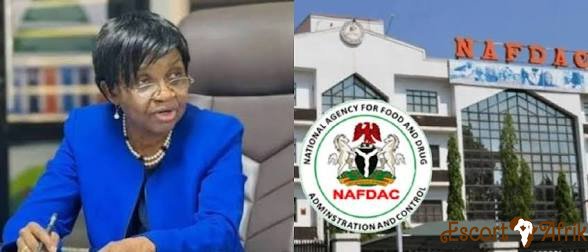
According to NAFDAC Director-General, Prof. Mojisola Adeyeye, the agency does not have direct and absolute regulatory oversight over unbranded palm oil, fufu and other traditionally packaged staple foods sold in open markets.
This does not mean NAFDAC has no role in food safety. The agency regulates processed and packaged food products through registration, inspection, laboratory testing, surveillance and enforcement.
The challenge comes with foods sold informally without labels, manufacturers’ details or other information that makes them easy to trace.
And that raises a bigger issue.
Who protects consumers in the open market?
NAFDAC says tackling unsafe and fake products requires collective responsibility, involving federal regulators, state and local authorities, producers, traders and consumers.
For consumers, however, the expectation remains straightforward: the food we buy should be safe.
The palm-oil controversy should therefore go beyond social-media claims and public panic. It should prompt proper testing, transparent communication and stronger monitoring of foods sold in our markets.
Consumers deserve to know what has actually been confirmed, what authorities are doing about it and where suspected adulterated products can be reported.
Food safety cannot end where formal packaging ends.
The question Nigerians are asking now is: how do we make sure the foods sold in our everyday markets receive the protection consumers deserve?
